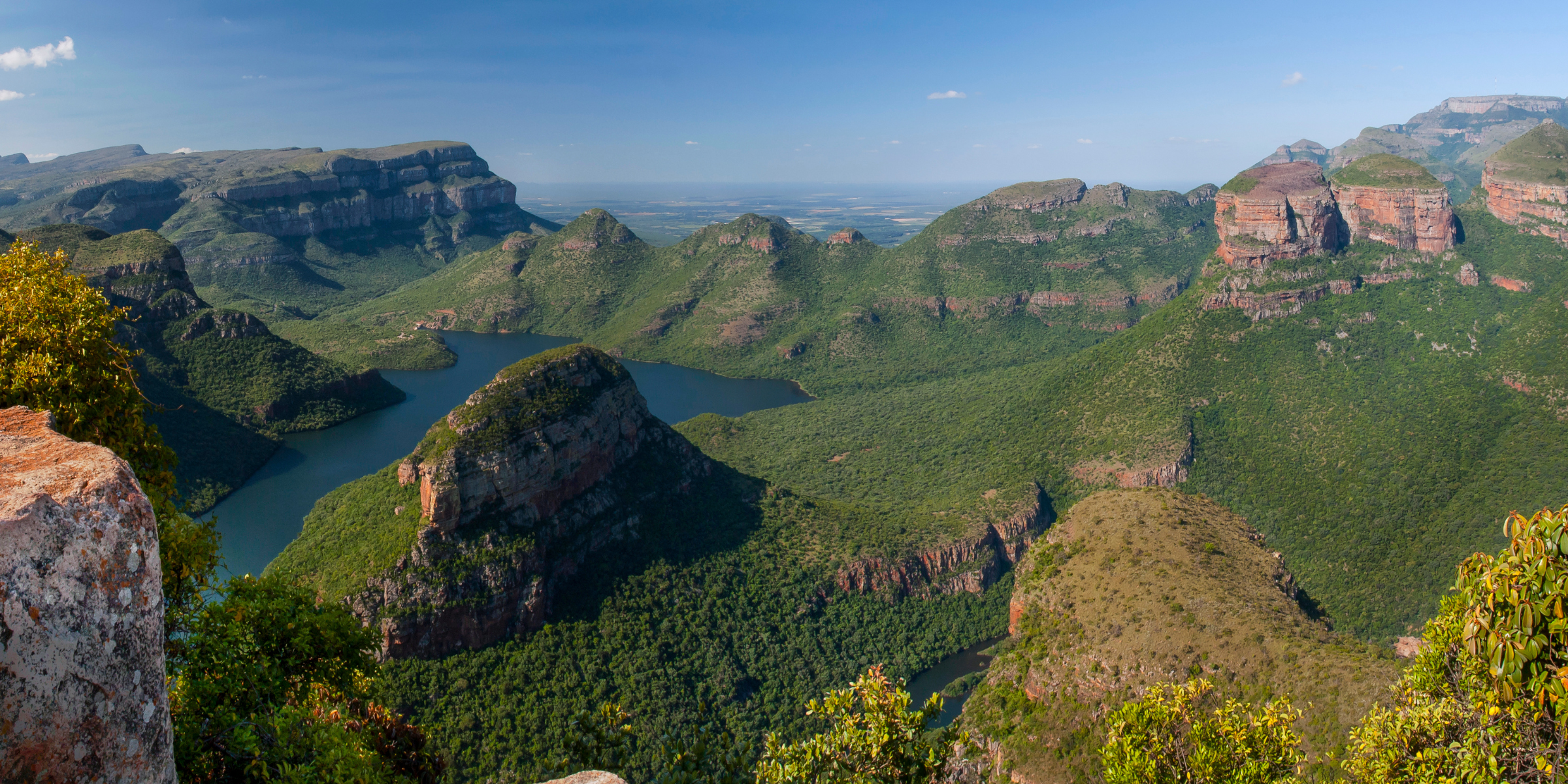
Nestled in the heart of South Africa, Kruger National Park stands as one of the largest and most renowned wildlife reserves in Africa. Spanning nearly 2 million hectares, this iconic park offers an unparalleled safari experience, making it a must-visit destination for nature lovers and adventure seekers. For first-time visitors, the sheer size and diversity of the park can be overwhelming. This guide aims to provide essential insights and tips to help you make the most of your Kruger adventure.
What to See and Do in Kruger National Park
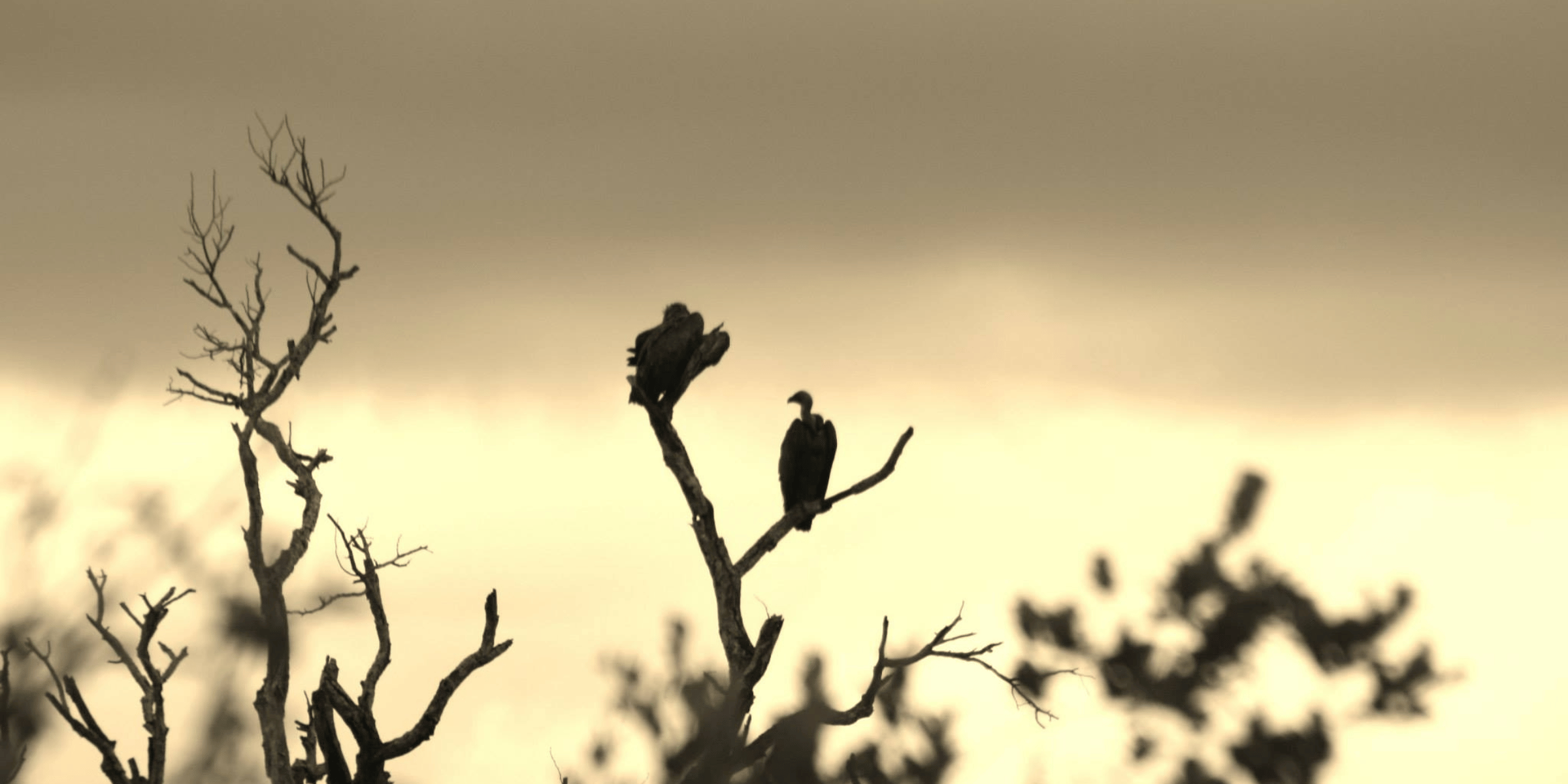
- Wildlife Viewing: Kruger is home to an impressive array of wildlife, including the famous Big Five – lion, leopard, rhinoceros, elephant, and buffalo. Guided game drives, either at dawn or dusk, are the best way to witness these magnificent creatures in their natural habitat. Additionally, the park is a haven for bird enthusiasts, boasting over 500 bird species.
- Self-Drive Safaris: For those who prefer a more independent experience, self-drive safaris are an excellent option. Kruger’s well-maintained roads allow you to explore at your own pace. This flexibility lets you linger at sightings and enjoy the landscape intimately.
- Walking Safaris: To truly immerse yourself in the African bush, consider a guided walking safari. These walks provide a unique opportunity to experience the smaller wonders of the park, from learning about indigenous plants to tracking animals on foot.
- Photographic Safaris: Kruger is a photographer’s paradise. Many camps offer specialised photographic safaris, where expert guides help you capture the perfect wildlife shots.
- Cultural Experiences: Outside the park boundaries, several cultural villages offer insights into the rich local heritage and traditions of the indigenous communities.
Tips for First-Time Visitors
- Best Time to Visit: The dry winter months (May to September) are ideal for wildlife viewing, as animals congregate around water sources. However, the wet summer season (October to April) brings lush scenery and is a great time for bird watching.
- Accommodation: Kruger offers a range of accommodation options, from luxury lodges to budget-friendly rest camps. Booking well in advance is highly recommended, especially during peak seasons.
- Packing Essentials: Bring light clothing for daytime, warmer layers for chilly mornings and evenings, a hat, sunscreen, insect repellent, and comfortable walking shoes. Don’t forget your camera, binoculars, and a good field guide.
- Respect Wildlife: Always maintain a safe distance from animals and adhere to park rules. Remember, you are in their habitat.
- Stay Informed: Keep updated about park conditions, possible road closures, and animal sightings through the park’s app or visitor centres.
- Health Precautions: Kruger is a malaria zone, so taking prophylactics and using mosquito repellent is advisable.
- Conserve the Environment: Practice responsible tourism by not littering, sticking to designated roads, and not disturbing wildlife.
- Plan Your Route: Given the park’s vastness, it’s wise to plan your daily routes. Choose a rest camp as a base and explore surrounding areas to avoid spending too much time driving.
In conclusion, a visit to the Kruger National Park is an unforgettable journey into the heart of African wildlife. Whether it’s your first safari experience or one of many, Kruger’s breathtaking landscapes and diverse fauna promise a thrilling adventure. With careful planning and an adventurous spirit, your trip to this majestic park will be filled with awe-inspiring moments and cherished memories.